Are you disqualifying yourself when applying for a job?
I had an interesting discussion yesterday with a CEO of a startup who was looking to hire someone for a technical position. She received over 700 responses to the job posting and yet half of them immediately disqualified themselves by not following simple directions or basic protocol.
The job market is tough these days, particularly in certain markets, with more people looking for jobs than jobs available. And while it’s a bit of a numbers game, there are some basic things you should be doing to enhance your chances of landing that job you applied for.
First, be sure you’re LinkedIn profile is current, and clearly outlines what you’re looking for, what you’ve accomplished, and the value you bring/have brought. For white collar jobs in particular, LinkedIn is one of the major sources for candidates as well as jobs. Your LinkedIn profile is your online resume, and more. It is used by recruiters, HR, and hiring managers to find and initially screen applicants. People who take the time and effort to create a professional, well written LinkedIn profile generally demonstrates they’re serious about their career. And while AI can assist with this, be sure it’s your own voice and style. The AI tools can spot when content is generated by AI (and not you) and that’s not a good look.
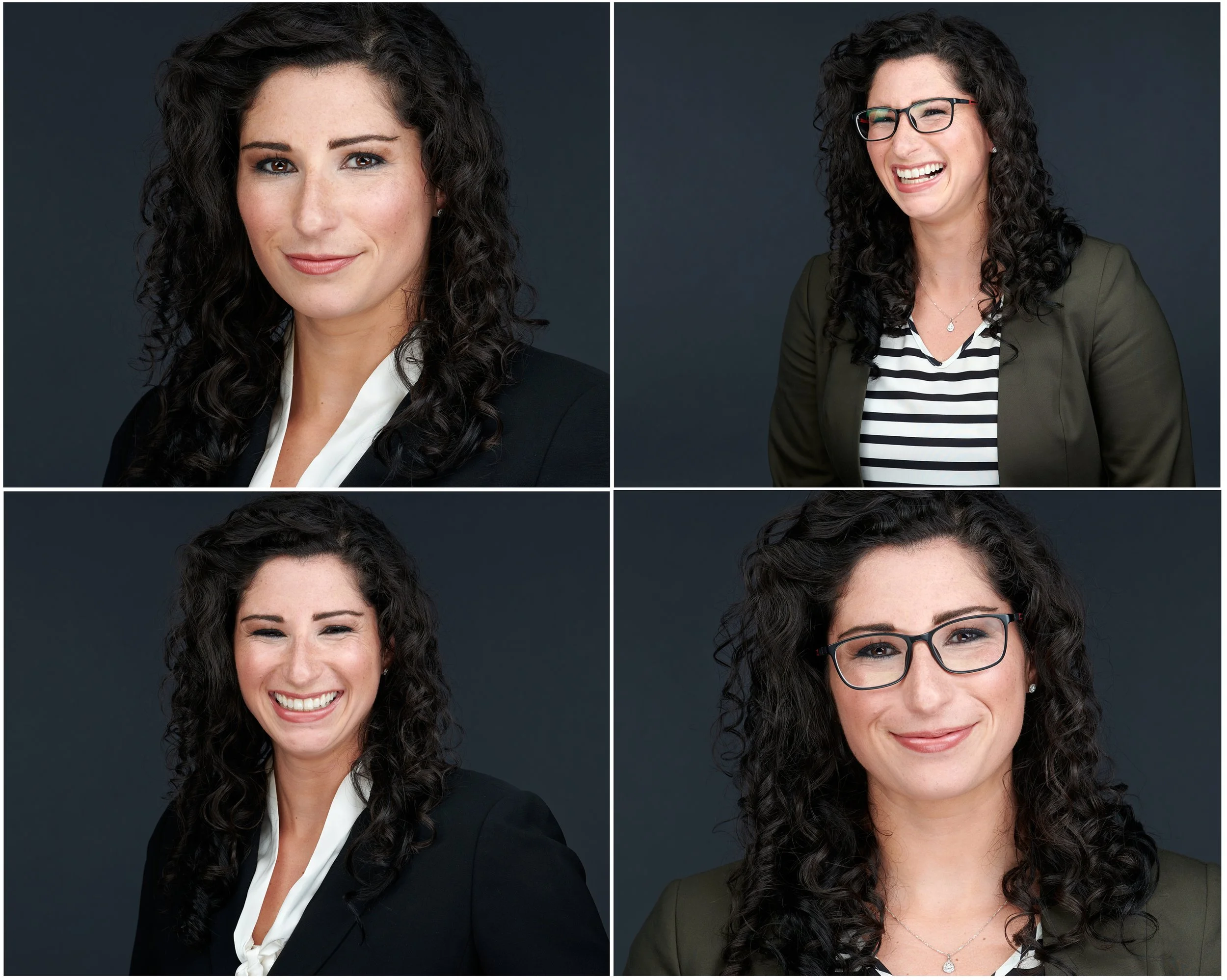
Speaking of not a good look, I would be remiss if I didn’t mention that means getting your headshot professionally done – yes, I’m biased, but your LinkedIn profile image is the first thing they will see when visiting your profile, so you want to look confident, professional, and approachable. A professionally done headshot amplifies the notion that you’re serious about your career and understand the importance of your image. And, despite what all the hype says, don’t use AI to take that photo of you at your cousins wedding and transform it into something better for $39 – first, that image likely looks an AI generated image and the person viewing it will likely sense that at some level – and then decide you go in the “no” pile. Moreover, it’s not really you – it’s what an algorithm computed to create an image that has no idea of who you really. That money you think you’ve saved now will cost you a lot more in lost income if you wind up in the “no” pile because the recruiter’s gut felt uncomfortable. To be clear, AI is great (I use it often as part of the editing process in Photoshop), but for very specific things. Look at the images below, all different looks with different first impressions – but they’re all real and you can feel it. A professional headshot photographer can help you create the right look that will give you a better chance of winding up in the “yes” pile.
Next, when applying for the job be sure to include whatever information they may have requested – in the case of the CEO, she asked for a cover letter, transcript, and resume. Over half the respondents didn’t provide all the information, or sent a generic cover letter – those immediately went into the “no” pile. Not exactly showing professionalism when applicants don’t follow directions or don’t take the time to at least customize the cover letter to highlight the value they bring to the specific position that is relevant to the stated requirements.
Finally, if you’re lucky enough to have been selected for an interview, be sure to be prepared with questions you have about the company, position, etc. that shows you did your homework. It’s also fair to ask what the next steps are, along with something like “when would be a good time for me to follow up with you”? In all likelihood the interviewer will say they’ll be in touch – but indicating you’d like to follow up emphasizes your interest in the position and at least tries to put the ball in your court.